
Hear from Our Customers
You can’t fix what you can’t see. That musty smell in your basement or the allergies that won’t quit—they’re telling you something’s wrong. But guessing where mold is hiding or how bad it’s gotten doesn’t help anyone.
Professional mold testing gives you the full picture. We use thermal imaging to spot moisture you can’t see, air sampling to measure what you’re breathing, and surface testing to identify exactly what type of mold is present. No guesswork. No missed spots.
Once you know what’s actually happening in your home, you can make informed decisions. Whether that means targeted remediation, addressing a moisture problem, or confirming your space is safe—you’ll have real answers, not assumptions.
We’ve served Elderberry Pond and Bucks County for more than 10 years. Our inspectors are IICRC-certified and members of both the Indoor Air Quality Association and the National Association of Mold Professionals.
We know this area. Hot, humid summers and rising precipitation levels across Pennsylvania mean mold isn’t rare here—it’s common. Older homes, basements that get damp, attics with poor ventilation—we’ve tested them all.
You’re not getting a national chain or someone learning on the job. You’re getting local expertise, professional-grade equipment, and straight answers about what’s happening in your home.
First, we do a complete visual inspection. We’re looking for visible mold, water stains, moisture damage, and areas where conditions are right for growth. This includes basements, crawl spaces, attics, behind baseboards—anywhere mold likes to hide.
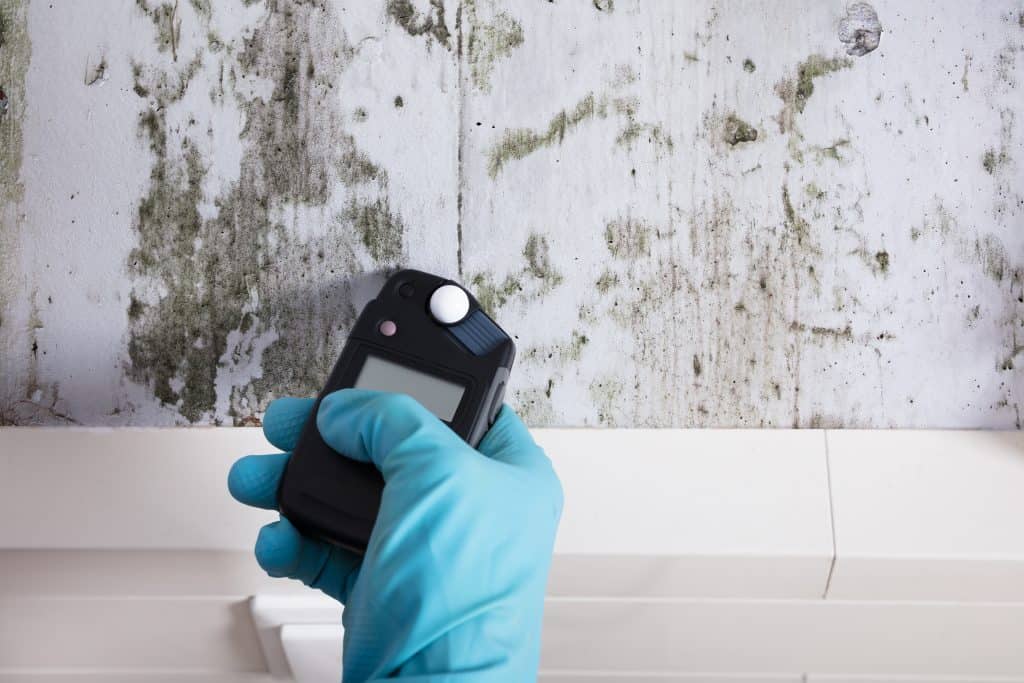
Next, we use thermal imaging and moisture meters to find problems you can’t see. Mold grows where there’s moisture, and these tools show us exactly where water is collecting inside walls, ceilings, and floors.
Then we collect samples. Air sampling measures mold spore levels in your indoor air compared to outdoor levels. Surface testing identifies the specific type of mold present. If needed, we’ll test your HVAC system since mold can spread through ductwork.
After testing, we send samples to an accredited lab for analysis. You’ll get a detailed report that explains what we found, where we found it, and what it means for your home and health. If remediation is needed, we’ll walk through your options and next steps.
Ready to get started?
Every mold testing service includes a thorough visual assessment of your entire property. We check common problem areas and the spots most homeowners never think to look. Moisture mapping with professional-grade meters tells us where water is accumulating.
Thermal imaging reveals temperature differences that indicate hidden moisture or poor insulation—both conditions that encourage mold growth. This technology sees what the naked eye can’t.
Air quality sampling captures what’s actually floating in your indoor air. Surface samples identify specific mold types on walls, floors, or other materials. Lab analysis from accredited facilities gives you accurate results, not guesses.
In Elderberry Pond and throughout Bucks County, we’re seeing more moisture-related issues due to increased precipitation. Homes with basements, older construction, or previous water damage need extra attention. Our testing process is designed to catch problems early, before they become expensive repairs or health concerns.
You’ll receive a complete written report with lab results, photos, moisture readings, and clear recommendations. We’ll explain everything in plain language during a follow-up consultation.
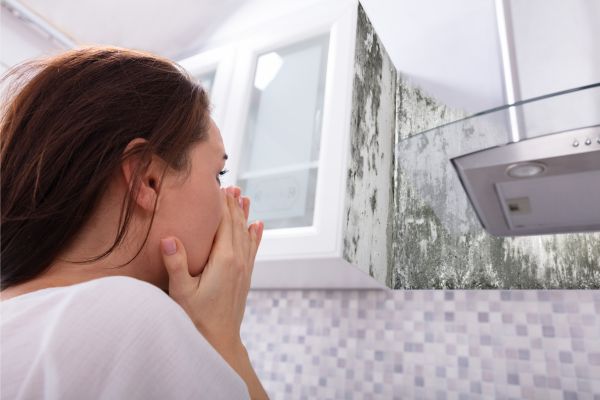
If you can see mold or smell that musty, earthy odor, you’ve got a problem. But those are obvious signs. Most people call us because something feels off—allergies that get worse at home, persistent coughing, or they know there’s been water damage and want to confirm nothing’s growing.
Professional testing makes sense when you can’t pinpoint the source, when you’re buying or selling a home, after any water event like flooding or leaks, or if someone in your household has respiratory issues. DIY test kits from the hardware store don’t give you the full picture. They can’t measure air quality, find hidden growth, or tell you what type of mold you’re dealing with.
Testing before remediation is also critical. You need to know the extent of contamination and what materials are affected. Trying to remove mold without knowing where it all is just means you’ll be dealing with it again in six months.
Black mold gets all the attention, but it’s not the only problem. Stachybotrys (black mold) does grow here, especially in areas with chronic moisture like basements and crawl spaces. It produces mycotoxins that can cause serious health effects.
More commonly, we find Aspergillus, Penicillium, and Cladosporium. These grow on damp drywall, wood, insulation, and even in HVAC systems. They’re not always black—they can be green, white, gray, or orange. All of them can trigger allergic reactions and respiratory problems, especially in kids, elderly family members, or anyone with asthma.
The humid summers in Bucks County create perfect conditions for mold growth. Add in the precipitation increases Pennsylvania has seen recently, and you’ve got more moisture in homes than ever before. Testing identifies exactly what’s growing so remediation can be done properly. Different mold types require different removal approaches.
The on-site inspection typically takes one to three hours depending on your property size and how many areas need testing. We’re thorough because missing a problem area means you don’t get the answers you need.
Sample collection is quick—air sampling runs for a set time period, surface samples take minutes. The inspection itself takes longer because we’re checking everywhere mold could be hiding and mapping out moisture issues.
Lab results usually come back within three to five business days. Accredited labs need time to properly analyze samples and identify specific mold types. Rush testing is available if you’re in a time-sensitive situation like a real estate transaction.
Once results are in, we’ll schedule a follow-up consultation to review everything. You’ll get a detailed report with lab findings, photos from the inspection, moisture readings, and our professional recommendations. We’ll explain what the results mean for your specific situation and what your options are moving forward.
Small surface mold on non-porous materials—think a little mold on bathroom tile—you can handle with proper cleaning products. But if testing reveals mold inside walls, in your HVAC system, under flooring, or covering more than a few square feet, DIY removal usually makes things worse.
Disturbing mold without proper containment spreads spores throughout your home. Those spores settle in new areas and start growing wherever conditions are right. You need negative air pressure, HEPA filtration, and proper disposal methods to remove mold safely.
There’s also the moisture problem. Mold doesn’t grow without water. If you remove visible mold but don’t fix the moisture source, it comes right back. Professional remediation addresses both the mold and the conditions that caused it.
Black mold and certain other types require specialized removal because of health risks. We’re IICRC-certified in mold remediation. We contain the work area, use professional equipment, remove contaminated materials properly, and treat affected surfaces to prevent regrowth. Testing first tells us exactly what we’re dealing with so remediation is done right the first time.
Most residential mold testing runs between $200 and $800 depending on your property size, how many areas need testing, and what type of sampling is required. A small condo with one problem area costs less than a large older home where we’re testing multiple floors and the HVAC system.
Air sampling, surface sampling, and lab analysis all factor into cost. More samples mean more lab fees, but they also give you a complete picture of what’s happening. Skipping areas to save money usually means missing part of the problem.
We’ll give you an upfront price after understanding your situation and what needs to be tested. No surprises, no upselling services you don’t need. Many homeowners find that testing costs far less than the repairs they’d face if mold damage went undetected and spread.
If testing reveals mold that needs remediation, that’s a separate cost based on the extent of contamination and what’s involved in removal. But you’ll know exactly what needs to be done and why. Some homeowners test and find out they don’t have a mold problem—just a moisture issue that needs addressing. That information alone is worth the investment.
First, don’t panic. Finding mold is actually better than not knowing it’s there. Now you can address it before it causes more damage or health problems.
We’ll walk you through the lab results and show you exactly where mold was found, what type it is, and how extensive the contamination is. Some situations need immediate remediation. Others can be monitored while you address the underlying moisture problem.
If remediation is necessary, we’ll develop a plan specific to your home. That includes containment procedures, removal of affected materials, HEPA air filtration, treatment of surfaces, and fixing whatever moisture issue caused the growth. We’ll explain what the work involves, how long it takes, and what it costs.
You’re not locked into using us for remediation just because we did the testing. You’ll have a professional report you can share with any contractor. But most homeowners appreciate working with the same team who found the problem because we already know your home and what needs to be done. We’ve been doing this in Bucks County for over a decade—we’ll make sure it’s handled right.
Other Services we provide in Elderberry Pond